
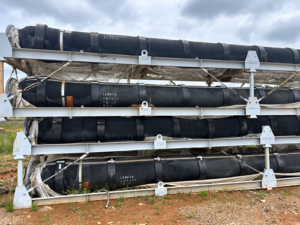
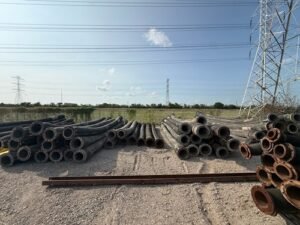
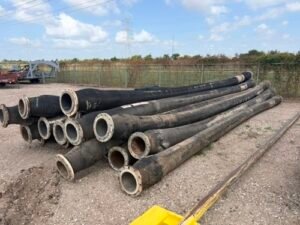
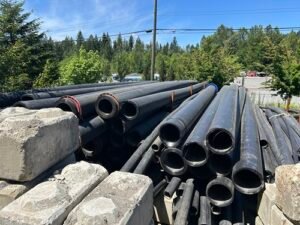
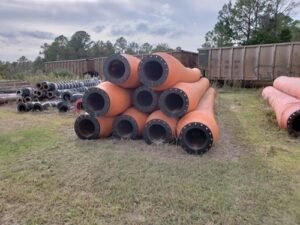
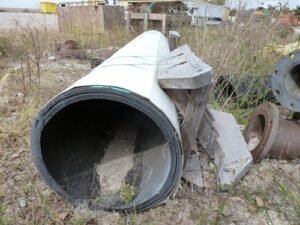
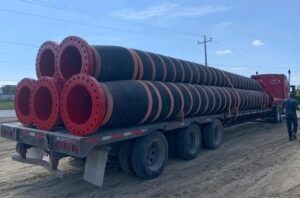
24″ Bridgestone Discharge Hoses
$2,500.00/section
Listing #250304-PH
LocationAlabama
View Details →
Equipment Inventory
Dredge Brokers connects buyers and sellers of used and surplus dredge hoses, suction hoses, discharge hoses, floating rubber hoses, and heavy-duty slurry hoses throughout the United States and internationally.
Our inventory includes flexible hose assemblies for hydraulic dredging, sand and gravel mining, marine construction, and industrial slurry transportation. Available hoses vary by diameter, length, pressure rating, condition, and location.
Dredge hoses connect pumps, dredges, and discharge pipelines while accommodating movement, vibration, and changing operating conditions. Common applications include dredging, aggregate mining, land reclamation, coastal restoration, and industrial material handling.
Depending on their specifications, some discharge hoses may also be suitable for construction dewatering and water transfer. Explore our Dewatering and Water Transfer Equipment Guide for related applications.
Browse the listings below for available suction, discharge, floating, and slurry hoses. For complete systems, explore our dredge pipeline components, including HDPE pipe, pipe floats, and fittings.
Selecting a dredge hose requires matching its specifications to the intended application. Suction, discharge, floating, and submersible hoses can have different reinforcement, pressure ratings, and operating limitations.
Suction hoses must resist collapse under vacuum conditions. They typically use reinforcement designed for suction service.
Discharge hoses are designed to withstand positive pressure while transporting water, sediment, or slurry. Abrasion-resistant designs may be required for sand, gravel, and other abrasive materials.
Some hoses are suitable for both suction and discharge, but buyers should verify the manufacturer’s specifications before use.
Floating dredge hoses incorporate buoyancy features for use in floating pipeline systems. Submersible hoses are designed for appropriate underwater installations.
For floating discharge lines, buyers may also need pipe floats and HDPE discharge pipe.
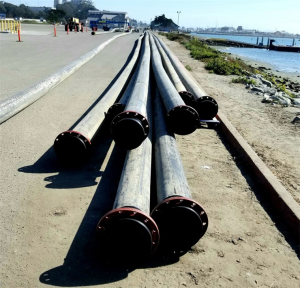
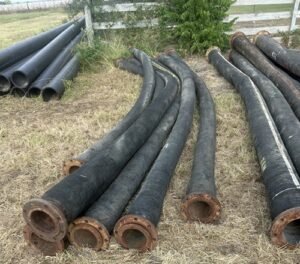
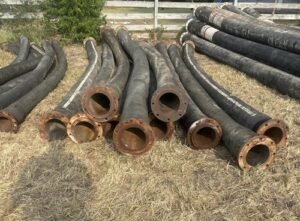







Before purchasing used or surplus dredge hoses, verify:
Important: Buyers should independently verify hose specifications, condition, previous service, and compatibility with their intended pumping system.
Suction hose is designed to resist collapse under vacuum, while discharge hose is designed for positive pressure. Some hoses are rated for both applications.
Yes, provided their condition, pressure or vacuum ratings, and specifications are suitable. Used hoses should be inspected before reuse.
Hose diameter depends on pump connections, flow requirements, slurry characteristics, pressure losses, and the overall pipeline design.
Yes. Floating hoses are designed with buoyancy features, while standard discharge hoses may require separate flotation or support.
Some discharge hoses are suitable for dewatering or water transfer when their pressure ratings, materials, and connection requirements match the application.
Yes. We can help locate used and surplus dredge suction, discharge, floating, and slurry hoses beyond the current inventory.
Looking for a particular hose diameter, length, pressure rating, or quantity? Contact Dredge Brokers with your specifications, location, and project timeline. We can help source additional equipment.
New Equipment Alerts
Save your equipment requirements and receive an email only when newly available public equipment matches or closely matches your criteria. Confirm your email to activate alerts. No account required.